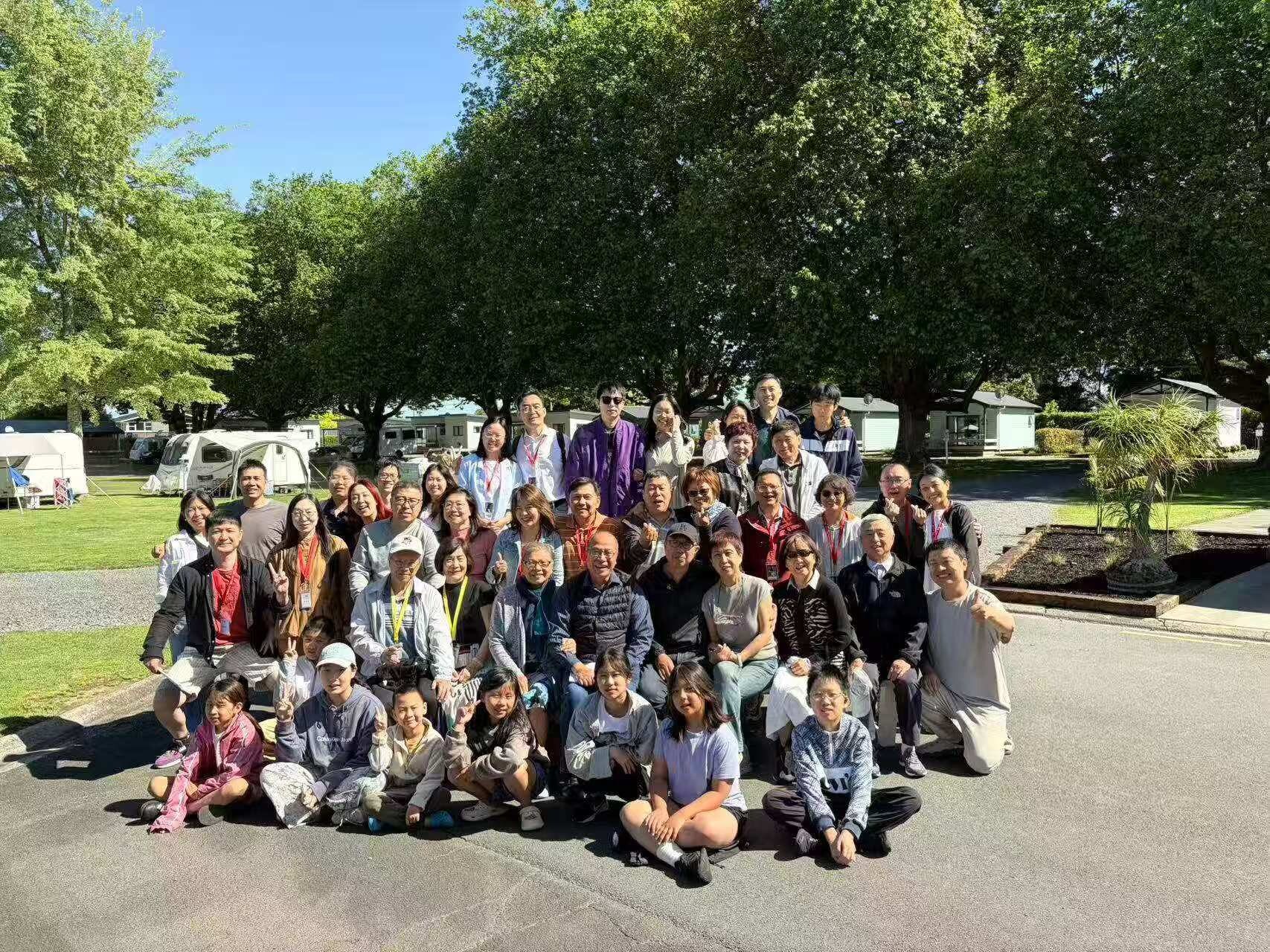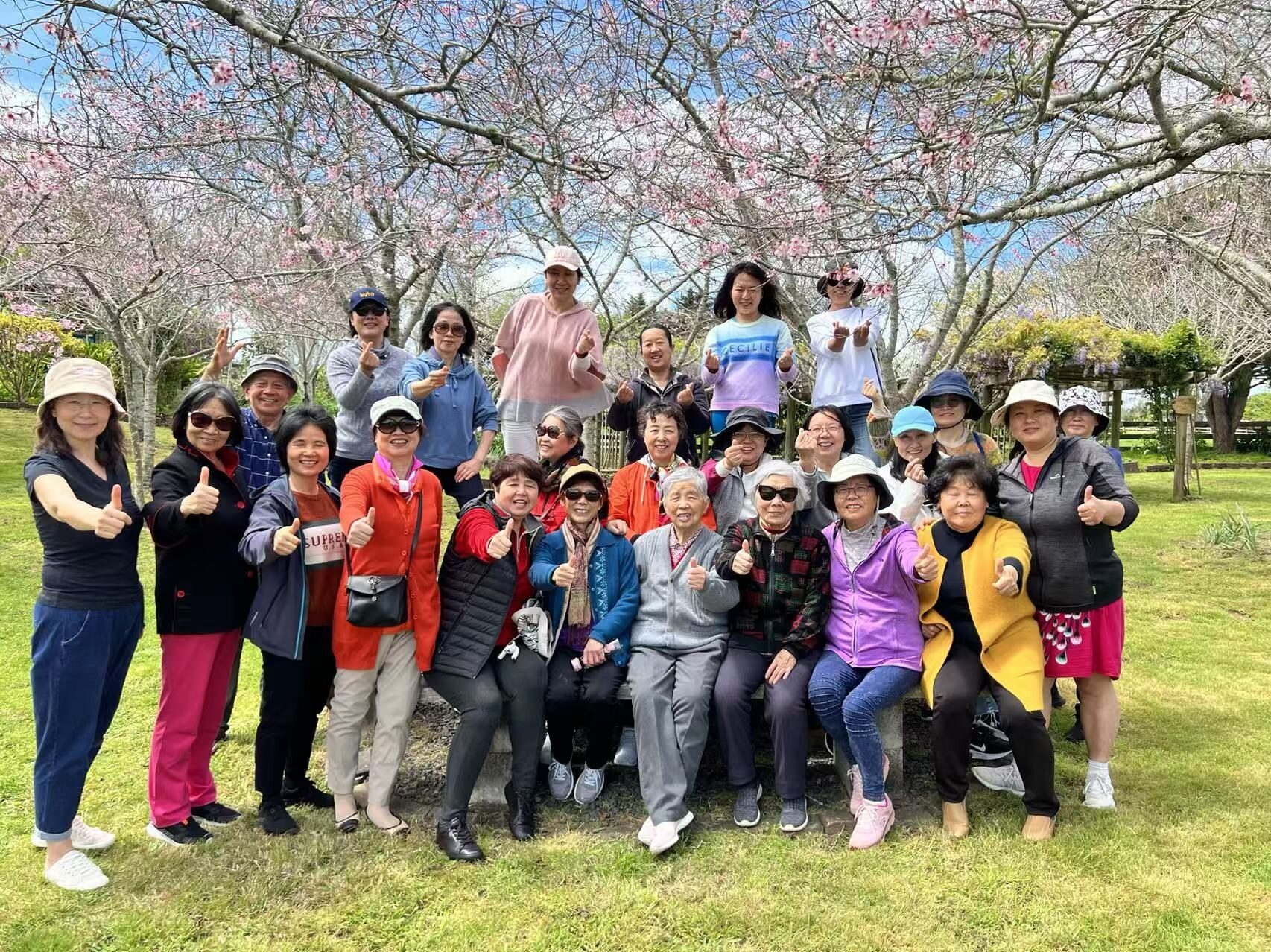
“Loving One Another, Blessing Each Other” — these words express EFCCA’s vision and also the mark that has been formed in our lives over the past thirty years. They are not merely a slogan on a wall or words printed in a bulletin; they are lived among us in the footsteps of EFCCA people every day.
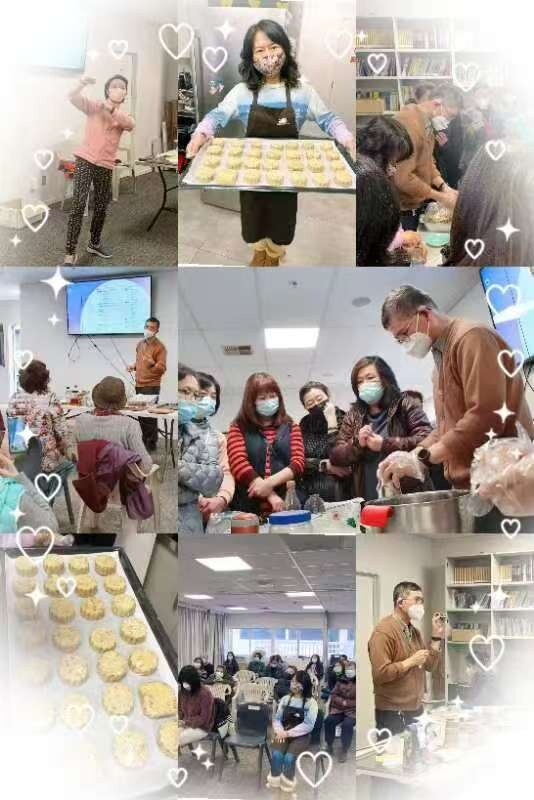
If someone asks what the church’s care ministry looks like, I would say it is found at the doors before Sunday worship, where co-workers arrive early and welcome every person with a warm smile, especially newcomers entering for the first time. A friendly greeting, a cup of hot tea and the words “Welcome home” can help a stranger find rest. Care is also found in a late-night phone call, when a co-worker leaves a warm bed to help a church member through a crisis. It is present in quiet prayers in hospital corridors, in holding a trembling hand beside a sickbed and bringing comfort from God’s Word. It is present in living rooms where strained marriages are gently supported—not simply deciding who is right or wrong, but bringing Christ’s self-giving love into broken relationships. It is present in long conversations about parent-child relationships, in tears and prayers for children, until walls begin to fall through forgiveness and acceptance. It also flows through fellowship activities, love feasts, retreats and visits, so that lonely hearts can find warmth and belonging. These are all expressions of care and signs of EFCCA’s love.
This is EFCCA’s care ministry. It is not simply a department or a duty, but a way of life for every member. There is no absolute division between “care workers” and “people receiving care,” because every EFCCA member is called to care. A person may have no formal title, but every smile at the church door, every word of welcome to a newcomer, every act of warmth during a visit and every contribution to a fellowship gathering is care. Through prayer and practical service, EFCCA members live out the blessing of showing mercy. “Loving One Another, Blessing Each Other” becomes not merely a beautiful phrase, but a warmth that can be felt, making the church a loving home we share.
Committed service is not something God needs from us; it is something we, as God’s children, need. As we grow, we begin to understand that the deepest truth of service is not that God needs us to do something for Him, but that we deeply need Him. In giving, we learn Christ’s self-emptying love. In accompanying the weak, we discover that we too need grace. When we feel depleted, we learn to remain connected to the true Vine.
Every EFCCA member is a care worker because every one of us has received God’s grace and is called to pass that grace on. In welcoming newcomers, we remember how we ourselves were once received. In going out late at night, we experience God’s presence. In difficult mediation, we learn heavenly wisdom. In fellowship service, we experience the unity of Christ’s body. Care is never a favour we bestow on others; it is an opportunity God gives us to know Him more deeply and depend on Him more closely.
Every EFCCA member is a care worker, and the first place of care is often our own home. When we offer our homes to God, the family becomes an altar. When Christ reigns in our homes, each home becomes the church’s smallest centre of care. In walking together across generations, care means older people using wisdom to accompany the uncertainties of the young, and younger people using warmth and energy to comfort the loneliness of the elderly. It means parents and children serving together and allowing faith to become a fragrance passed down through the culture of the home. When every family becomes an altar of care, the church becomes a community of life: one another’s weakness becomes an opportunity to serve, and one another’s pain becomes an opening for love. A home under Christ’s rule will naturally overflow with grace and reveal the Lord’s love.
Looking back, we are grateful, but we also recognise our shortcomings. We know our limitations. Our love is often incomplete, our wisdom insufficient, and complex and broken situations can leave us feeling powerless. At times we do not know what to say to a newcomer; when the phone rings at midnight we may hesitate; when mediation reaches an impasse we may feel helpless; and organising fellowship activities can leave us tired. Yet the same Spirit who moved the prophets still works in us today. He gives us compassion for the suffering of others, heavenly wisdom for problems we cannot solve ourselves, and sufficient grace to keep learning to love even those who seem difficult to love.
May every experience of grace make us more humble. Whenever others see us, may we point them to the God who gives grace. May we seek less human admiration and never take for ourselves the glory that belongs to the Lord of life. May we quietly remain faithful stewards and never turn what has been entrusted to us into something for self-display. May we remember throughout our lives that everything worth boasting about has been received, and everything we are able to offer was first given by Him.
Dear church family, thirty years marks a stage of maturity and responsibility. For our church, thirty years is a milestone filled with grace, but it is also a hopeful new beginning.
We are deeply loved children of the Father, precious people redeemed at great cost by Jesus. May the Holy Spirit enlighten and lead us to love one another and bless one another. May every family become an altar of love, and may EFCCA shine brightly in the darkness.
Let us live out God’s grace with our lives, remain pure in heart and hands, support one another and continue the journey together. May EFCCA continue, year after year and day after day, to be remembered and used by the Lord as a blessing to this city and land.
Thanks be to the Lord. His grace is abundant. Amen!